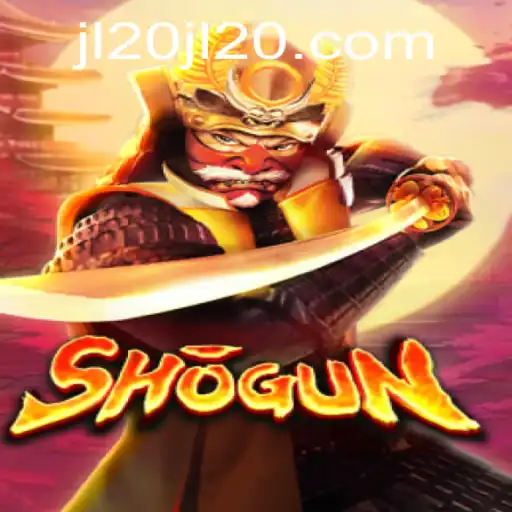
Introduction to Shogun
Shogun is an intriguing strategy game that has captured the interest of players around the world. Set against the backdrop of feudal Japan, it provides a detailed and immersive experience into the life of a shogun leading vast armies and expanding territories. With elements of risk management and tactical combat, this game requires players to use both wit and skill.
The term 'Shogun' historically refers to a military leader in Japan and the game embodies this role by allowing players to step into these shoes. This evocative setting forms the core of its appeal, drawing in history enthusiasts and strategy gamers alike who are fascinated by the tactical depth and historical elements that the game has to offer.
PD777The Concept of Shogun and Current Trends
In an age where digital innovation is transforming gaming landscapes, Shogun stands out for its rich storytelling and strategic layers. The game's resurgence in the context of current gaming trends showcases a marriage between historical narratives and modern-day technology. This resurgence coincides with the growing trend of incorporating augmented reality elements into board gaming, making games more interactive and engaging.
Additionally, with the increasing interest in strategy-based games during the global pandemic, people have sought immersive experiences that challenge their critical thinking and strategic planning skills. Shogun provides exactly this, offering a blend of history, strategy, and the satisfaction of territorial conquest.
Game Mechanics and Rules
The mechanics of Shogun are deeply rooted in strategic resource management, area control, and tactical combat. Players start off by choosing a character to represent their shogunal ambitions, each with unique abilities that can influence their approach to the game. The objective is to manage resources efficiently, expand territories, and ultimately to be recognized as the dominant shogun in the land.
Setup and Player Actions
The game begins with players setting up their respective provinces, gathering initial resources, and placing their armies. Choosing where to deploy these resources and units initially can determine the flow of the game, setting the stage for tactical maneuvers as the game unfolds. Each turn involves comprehensive decision-making, from allocating resources and troops to selecting commands wisely.
Players take turns using action cards that dictate potential moves, from deploying troops to constructing buildings or initiating battles. Proper usage of these cards can shift the game’s balance, requiring adept foresight and planning.PH19
Combat and Strategy
Combat in Shogun is resolved through a combination of dice rolls and strategic placement, emphasizing the unpredictability and fluidity of battle. Players who understand the intricacies of unit strengths and seize advantageous positions on the board are often rewarded, making wisdom and strategy the game's cornerstone.567JL
The allocation of resources to construct defensive structures or muster larger armies is a strategic choice that requires careful consideration, influencing the game's outcome incrementally. The game ends after a set number of turns, and the player with the most points from controlled territories, built structures, and completed objectives is deemed the winner.
The Role of Shogun in Modern Board Gaming
J8Shogun’s strategic depth, set against a historical backdrop, offers players an opportunity to dive into a world of strategy akin to the classics like Chess or Go. In recent years, modifications and expansions have allowed Shogun to evolve, incorporating player feedback and modern strategic elements. Its adaptations reflect current trends in board gaming, where player-driven narratives and historical contexts continue to find resonance.
In the broader gaming ecosystem, Shogun represents a bridge between traditional board games and evolving digital platforms, with some versions integrating with apps for streamlined gameplay and enhanced visual appeal. This adaptability underscores its lasting appeal, offering both a nod to the past and a look ahead to innovative ways gaming can leverage technology.ABC8
Historical Significance and Cultural Impact
Beyond its strategic components, the cultural significance of Shogun offers an opportunity to engage with Japanese history and its legends, allowing players to gain insights into the period of the samurai and the quest for power. This historical dimension enriches the gaming experience, making it not just a test of wits, but a journey into the past.
The integration of historical narratives into game mechanics also aids in educational purposes, offering players, especially younger ones, an interactive learning platform. This aspect highlights the potential of Shogun to transcend being a mere game and becoming a tool for cultural education and awareness.
As games like Shogun gain popularity, they contribute to the portrayal and understanding of historical contexts, promoting diversity in gaming and enhancing cultural appreciation.